Works best for
Landmarks, travel portraits, exhibitions and object studies with one obvious focal subject that remains legible inside a narrow ticket window.
Tested AI art skill · 3 source photographs
A tightly controlled ticket artifact that places the original scene inside a tactile collectible frame. The template is extremely consistent; subject suitability depends mainly on whether the photo has a strong vertical crop and a concise label.
Landmarks, travel portraits, exhibitions and object studies with one obvious focal subject that remains legible inside a narrow ticket window.
Wide scenes and crowded compositions lose peripheral context. The barcode and ticket framing are decorative, not functional travel information.
Each result is the retained first attempt. No manual image edits or automatic retries were used, so the comparison shows both the skill’s strengths and its practical limits.
The centered facade fits the narrow window naturally and preserves its symmetry. The result reads immediately as a landmark souvenir.
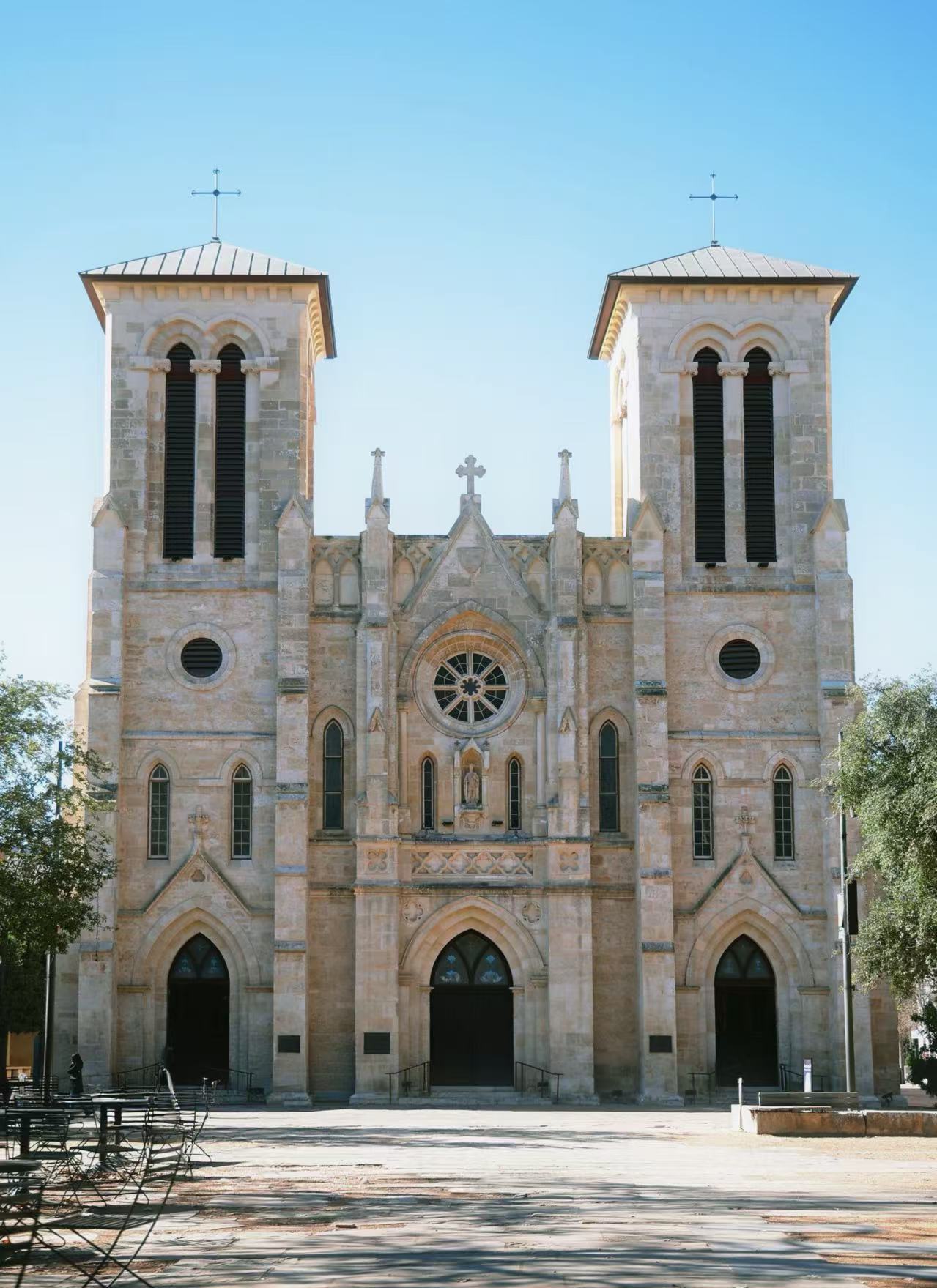
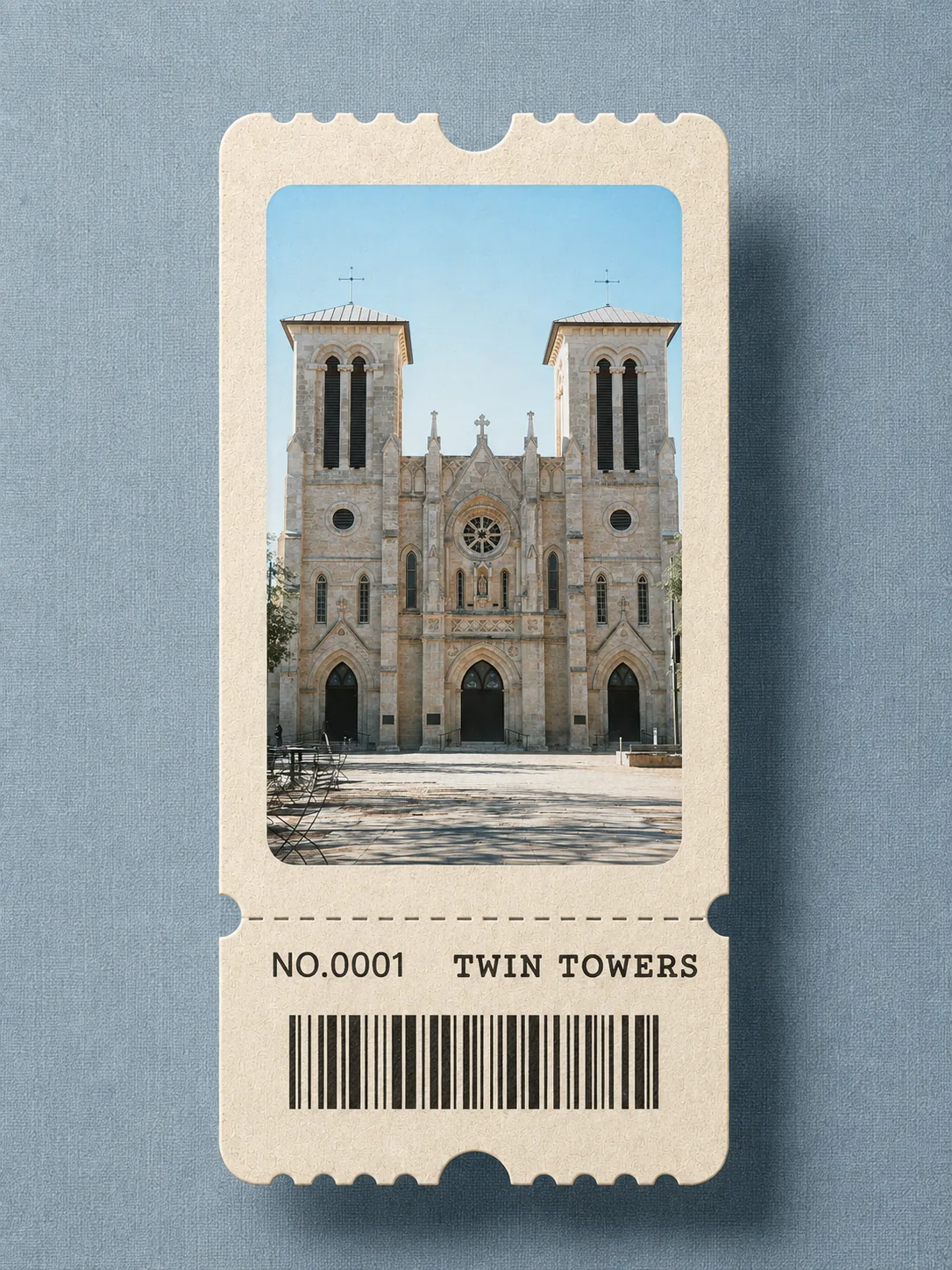
Image 1 is the travel photograph content and color source. Image 2 is the retained Travel Ticket template reference controlling layout, typography, ticket material, perforations, barcode ornament, woven-fabric texture, lighting, shadow and hierarchy; do not copy Image 2’s photo or fixed background hue.
Create a 3:4 vertical vintage travel ticket-stub poster. Preserve Image 1’s recognizable twin-tower church, central rose window, pale limestone, blue sky and frontal symmetry inside the rounded photo window without replacing the subject. Place the warm ivory paper ticket centered over a muted blue-gray woven fabric background derived independently from the source sky, with realistic but restrained paper shadow. Keep perforated edges, tear line, serial-number styling and decorative non-scannable barcode consistent with the template.
Exact main place-style label: “TWIN TOWERS”. Exact number: “NO.0001”. Use no factual city or date claim. The ticket remains the clear focus and the source photo remains recognizable. No saturated unrelated hue, multicolor gradient, altered architecture, extra brand, logo, watermark, CTA, or additional readable text beyond template-like microtype.
The still life remains recognizable, but peripheral plants and shelf context are cropped. A single product or smaller object group would fit the ticket format better.


Image 1 content/color source; Image 2 Travel Ticket layout/material reference only. Create vertical 3:4 vintage ticket-stub poster. Preserve the central torso-shaped jewelry display, surrounding planters, shelf clocks and hard sunlight inside rounded photo window. Center warm ivory ticket on muted warm stone-gray woven fabric derived from the source wall and shelf; keep perforations, tear line, restrained paper shadow and decorative barcode. Exact label “OBJECT STUDY”; exact number “NO.0002”. Do not reproduce product brand text. No factual location/date claim, extra brand, logo, watermark, gradient or altered subject.
The trail creates a useful vertical lead-in toward the mountain, with the walker remaining visible. This is the strongest narrative match for the travel-ticket metaphor.

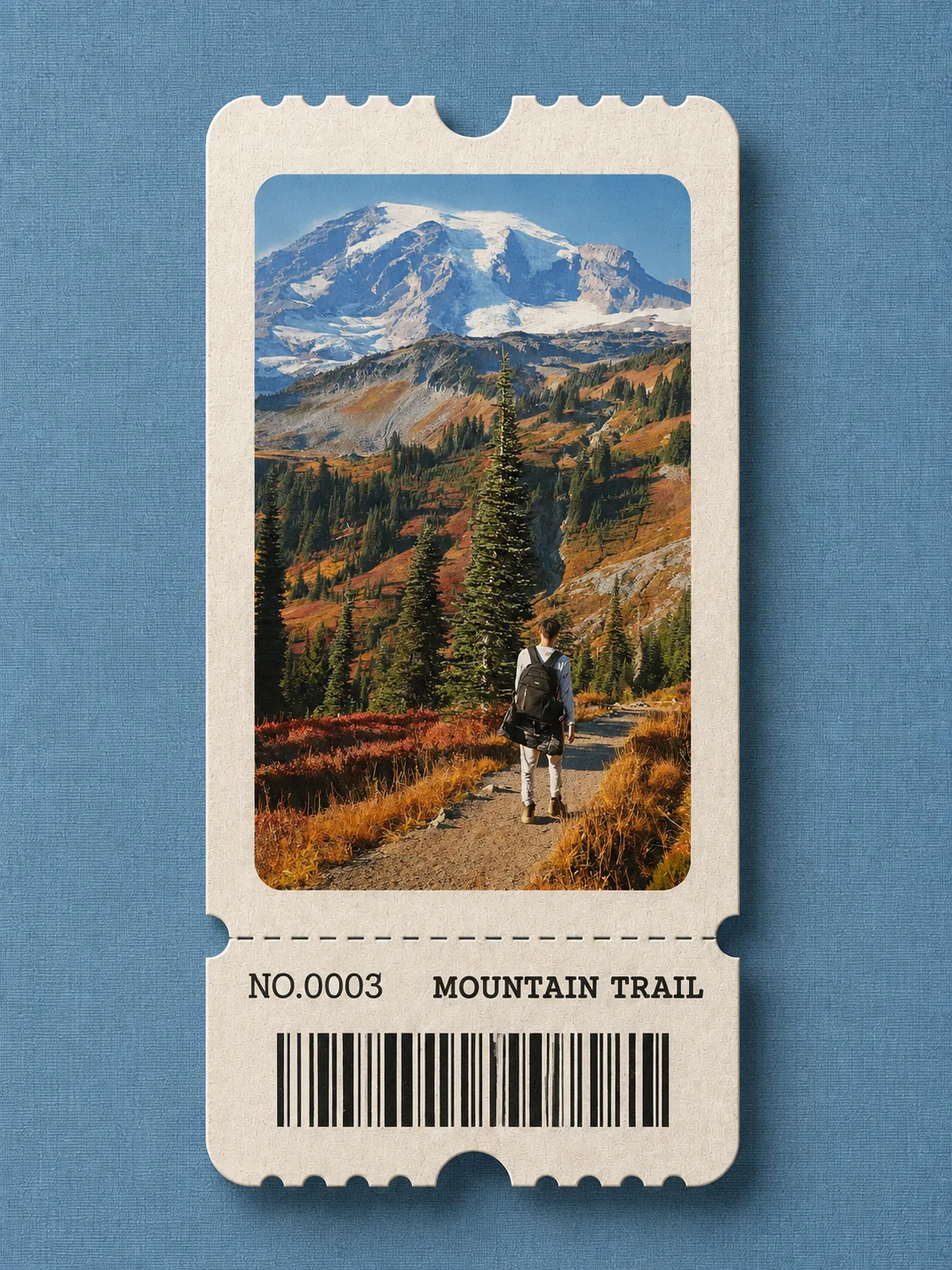
Image 1 content/color source; Image 2 Travel Ticket layout/material reference. Create vertical 3:4 vintage ticket-stub poster. Preserve snow mountain, autumn forest, winding trail and backpacked walker inside rounded photo window. Center warm ivory ticket on muted slate-blue woven fabric derived from sky; keep perforations, tear line, barcode and restrained paper shadow. Exact label “MOUNTAIN TRAIL”; exact number “NO.0003”. No factual place/date claim, extra brand, logo, watermark, gradient or altered person.